代理IP技术解析:构建安全智能的网络访问体系
 March 27.2025
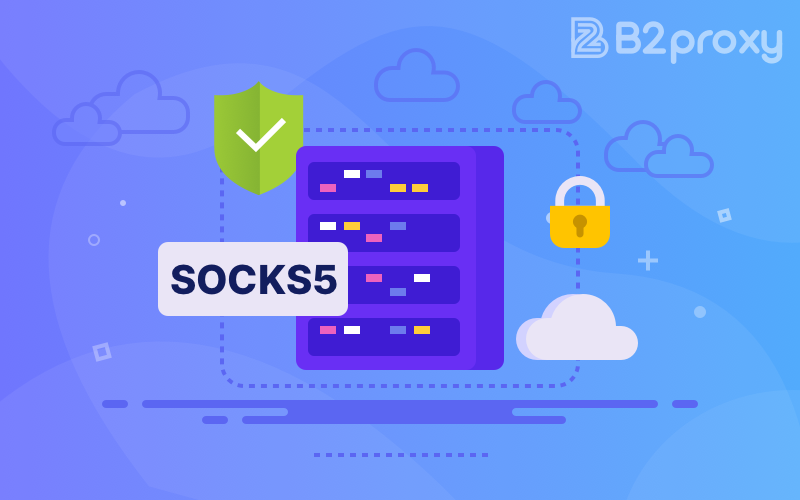
<p style="line-height: 2em;"><span style="text-wrap-mode: nowrap;">目前网络访问的安全性与自由度已成为企业和个人用户共同关注的重要议题。代理IP技术作为解决这一问题的有效方案,通过其独特的网络中间层架构,为用户构建起安全可靠的网络访问通道。</span></p><p style="line-height: 2em;"><span style="text-wrap-mode: nowrap;"><br/></span></p><p style="line-height: 2em;"><span style="text-wrap-mode: nowrap;">代理IP的工作原理与核心价值</span></p><p style="line-height: 2em;"><span style="text-wrap-mode: nowrap;"><br/></span></p><p style="line-height: 2em;"><span style="text-wrap-mode: nowrap;">代理IP本质上构建了一个网络请求的中转体系。当用户发起网络访问时,请求并非直接送达目标服务器,而是经由精心配置的代理服务器进行转发。这个过程犹如在数字世界搭建了一座隐形桥梁,既保护了用户的真实网络身份,又确保了访问请求的顺利传达。这种架构的核心价值在于实现了网络身份的智能管理,使目标服务器仅能识别代理服务器的网络标识,而用户的真实网络地址则得到有效保护。</span></p><p style="line-height: 2em;"><span style="text-wrap-mode: nowrap;"><br/></span></p><p style="line-height: 2em;"><span style="text-wrap-mode: nowrap;">从技术实现来看,现代代理系统主要分为三种典型架构。基于HTTP协议的代理服务专注于网页浏览和数据采集场景,其优势在于对网页请求的深度优化。支持SOCKS5协议的代理系统则展现出更强的适应性,能够处理包括视频流媒体和在线游戏在内的各类网络流量。而采用SSL加密技术的代理方案则为金融交易等敏感操作提供了企业级的安全保障。</span></p><p style="line-height: 2em;"><span style="text-wrap-mode: nowrap;"><br/></span></p><p style="line-height: 2em;"><span style="text-wrap-mode: nowrap;">代理IP技术的应用场景与发展趋势</span></p><p style="line-height: 2em;"><span style="text-wrap-mode: nowrap;"><br/></span></p><p style="line-height: 2em;"><span style="text-wrap-mode: nowrap;">在实际应用中,代理IP技术展现出多维度的实用价值。企业用户通过这项技术可以实现全球市场的精准监测,获取不同区域的商业数据。研究人员能够突破地域限制,访问全球范围内的学术资源。网络安全团队则利用代理网络模拟各类访问场景,进行系统性的安全评估。这些应用场景充分展现了代理IP技术在现代网络生态中的关键作用。</span></p><p style="line-height: 2em;"><span style="text-wrap-mode: nowrap;"><br/></span></p><p style="line-height: 2em;"><span style="text-wrap-mode: nowrap;">随着网络环境的持续演进,代理IP技术也在不断创新发展。人工智能技术的引入使代理系统具备了智能识别和自适应能力,能够动态调整访问策略以应对各类网络限制。区块链技术的应用则为构建去中心化的代理网络提供了新的可能性,进一步提升了系统的安全性和透明度。</span></p><p style="line-height: 2em;"><span style="text-wrap-mode: nowrap;"><br/></span></p><p style="line-height: 2em;"><span style="text-wrap-mode: nowrap;">在选择代理服务时,专业用户应当综合考虑多个关键因素。服务商提供的IP资源质量直接关系到使用效果,真实用户环境产生的住宅IP通常具有更好的隐蔽性。全球覆盖范围决定了服务的适用场景,而专业的技术支持团队则是确保服务可靠性的重要保障。建议潜在用户通过实际测试来验证服务的回应速度和稳定性,这是评估代理服务质量的最直接方式。</span></p><p style="line-height: 2em;"><span style="text-wrap-mode: nowrap;"><br/></span></p><p style="line-height: 2em;"><span style="text-wrap-mode: nowrap;">代理IP技术作为网络基础设施的重要组成部分,将持续在数字化转型进程中发挥关键作用。这项技术不仅解决了当前的网络访问难题,更为构建开放、安全、智能的未来网络生态奠定了坚实基础。对于追求高效安全网络访问体验的用户而言,深入理解代理IP技术的原理和应用具有重要的现实意义。</span></p><p><br/></p>
您可能还会喜欢
AI时代企业为什么更需要代理IP?
<p style="line-height: 2;"><span style="font-size: 16px;">随着人工智能技术的快速发展,越来越多企业开始利用AI进行数据分析、市场预测、自动化运营以及大模型训练。在AI驱动的商业环境下,数据已经成为企业最重要的战略资源之一。然而,在获取和使用数据的过程中,许多企业都会面临地区差异化访问策略、频率限制以及数据质量下降等问题。正因如此,代理IP正逐渐成为AI时代企业数字化运营不可或缺的重要基础设施。</span></p><p style="line-height: 2;"><br></p><p style="line-height: 2;"><span style="font-size: 24px;"><strong>AI项目更容易遭遇IP限制</strong></span></p><p style="line-height: 2;"><br></p><p style="line-height: 2;"><span style="font-size: 16px;">许多网站都会部署访问管理和流量控制机制,以保障平台稳定运行。例如:请求频率检测、行为分析、地理位置识别、访问验证机制、IP信誉评分系统。当AI数据采集项目持续发送大量请求时,平台可能会对高频访问请求实施额外管理措施。就会出现IP被限制访问、访问验证频率增加、数据抓取成功率下降等等问题。这些问题都会直接影响</span><span style="color: rgb(0, 0, 0); font-size: 16px;">AI项目</span><span style="font-size: 16px;">的数据获取效率。</span></p><p style="line-height: 2;"><br></p><p style="line-height: 2;"><span style="font-size: 24px;"><strong>B2Proxy:为AI时代企业提供稳定的数据访问能力</strong></span></p><p style="line-height: 2;"><br></p><p style="line-height: 2;"><span style="font-size: 16px;">对于需要大规模数据采集、市场研究以及全球业务运营的企业来说,稳定的代理网络至关重要。</span><a href="https://www.b2proxy.com/zh-CN" target="_blank"><span style="color: rgb(9, 109, 217); font-size: 16px;">B2proxy</span></a><span style="font-size: 16px;">覆盖全球195+国家和地区、超过8000万真实住宅IP资源、高成功率与低延迟连接、支持动态IP轮换、国家级、城市级精准定位、适用于AI数据采集、市场分析、SEO监控、广告验证和品牌保护。通过B2Proxy住宅代理服务,企业可以提升数据访问连续性,提高数据获取稳定性,为AI模型提供持续、高质量的数据来源。</span></p><p style="line-height: 2;"><br></p><p style="line-height: 2;"><span style="font-size: 24px;"><strong>AI训练与大模型发展离不开代理IP</strong></span></p><p style="line-height: 2;"><br></p><p style="line-height: 2;"><span style="font-size: 16px;">近年来,大语言模型(LLM)、生成式AI以及智能推荐系统快速发展。在模型训练过程中,企业往往需要收集海量网页数据、获取多语言内容、持续更新训练数据集、验证不同地区搜索结果等需求。代理IP能够帮助企业从不同地区获取公开可访问的数据资源,从全球不同地区获取更加丰富的数据样本。</span></p><p style="line-height: 2;"><br></p><p style="line-height: 2;"><span style="font-size: 24px;"><strong>全球化运营让代理IP成为企业标配</strong></span></p><p style="line-height: 2;"><br></p><p style="line-height: 2;"><span style="font-size: 16px;">AI时代的企业竞争已经不再局限于单一市场。越来越多企业开始布局:跨境电商、海外社交媒体运营、国际广告投放、全球市场研究、多区域品牌管理。不同地区的网站规则、展示内容以及访问权限都存在差异。代理IP能够帮助企业支持不同地区的数据访问需求,实现真正意义上的全球化运营。特别是在以下场景中:市场调研、品牌保护、价格监控、SEO监测、竞争情报分析。代理IP已经成为重要的数据基础设施。</span></p><p style="line-height: 2;"><br></p><p style="line-height: 2;"><span style="font-size: 24px;"><strong>结语</strong></span></p><p style="line-height: 2;"><br></p><p style="line-height: 2;"><span style="font-size: 16px;">AI时代的核心竞争力正在逐渐从算法竞争转向数据竞争。无论是</span><a href="https://www.b2proxy.com/zh-CN/use-case/ai" target="_blank"><span style="color: rgb(9, 109, 217); font-size: 16px;">AI模型训练</span></a><span style="font-size: 16px;">、市场研究、广告优化还是全球业务拓展,高质量的数据获取能力都将决定企业未来的发展速度。对于希望提升数据获取效率、提升数据访问连续性并拓展全球市场的企业来说,B2Proxy凭借海量住宅IP资源、全球覆盖网络以及稳定的代理服务,能够为AI驱动业务提供坚实的数据访问支持。</span></p><p><br></p>
June 4.2026
如何选择适合数据采集的住宅代理?
<p style="line-height: 2;"><span style="font-size: 16px;">在大数据时代,数据采集已经广泛应用于</span><a href="https://www.b2proxy.com/zh-CN/use-case/market" target="_blank"><span style="color: rgb(9, 109, 217); font-size: 16px;">市场调研</span></a><span style="font-size: 16px;">、价格监控、SEO分析、品牌保护、广告验证以及电商情报等业务场景。随着目标网站反爬机制不断升级,普通数据中心代理已经难以满足大规模数据采集需求,住宅代理逐渐成为企业级数据采集的重要工具。那么,最适合数据采集的住宅代理究竟具备哪些特点?企业在选择服务商时又应该重点关注哪些指标?</span></p><p style="line-height: 2;"><br></p><p style="line-height: 2;"><span style="font-size: 24px;"><strong>为什么数据采集需要住宅代理?</strong></span></p><p style="line-height: 2;"><br></p><p style="line-height: 2;"><a href="https://www.b2proxy.com/zh-CN/product/residential-proxies" target="_blank"><span style="color: rgb(9, 109, 217); font-size: 16px;">住宅代理</span></a><span style="font-size: 16px;">使用真实家庭宽带网络分配的IP地址,相比数据中心代理更接近普通用户的访问行为。对于数据采集业务而言,住宅代理能够提高网络请求稳定性、提升连接成功率,并帮助企业获得更连续的数据访问体验。尤其是在采集搜索引擎、电商平台、社交媒体和本地服务网站数据时,住宅代理往往能够获得更稳定的访问效果。</span></p><p style="line-height: 2;"><br></p><p style="line-height: 2;"><span style="font-size: 24px;"><strong>最适合数据采集的住宅代理应具备哪些特点?</strong></span></p><p style="line-height: 2;"><br></p><p style="line-height: 2;"><span style="font-size: 19px;"><strong>1. 海量住宅IP资源</strong></span></p><p style="line-height: 2;"><br></p><p style="line-height: 2;"><span style="font-size: 16px;">IP池规模直接决定代理网络的可用性和稳定性。对于高频数据采集项目来说,如果IP资源过少,容易出现重复访问问题,从而被目标网站识别和限制。优质住宅代理通常具备:数千万级住宅IP资源、全球多个国家覆盖、高频更新IP池、高可用IP比例。IP池越大,数据采集过程中的请求分散度和网络稳定性越高。</span></p><p style="line-height: 2;"><br></p><p style="line-height: 2;"><span style="font-size: 19px;"><strong>2. 支持动态IP轮换</strong></span></p><p style="line-height: 2;"><br></p><p style="line-height: 2;"><span style="font-size: 16px;">动态轮换是数据采集最重要的功能之一。通过自动更换出口IP,有助于提高请求分布的均衡性,并增强长期项目运行的稳定性。优秀的住宅代理服务通常都支持自定义会话控制、按时间轮换、长会话与短会话自由切换等优势这样能够根据不同采集场景灵活调整策略。</span></p><p style="line-height: 2;"><br></p><p style="line-height: 2;"><span style="font-size: 19px;"><strong>3. 全球国家与城市级定位</strong></span></p><p style="line-height: 2;"><br></p><p style="line-height: 2;"><span style="font-size: 16px;">很多数据采集任务都需要获取不同地区用户看到的数据。例如:搜索引擎排名监控、本地广告验证、电商价格监控、本地市场分析。因此,住宅代理通常需要支持:</span><a href="https://www.b2proxy.com/zh-CN/resource/globalArea" target="_blank"><span style="color: rgb(9, 109, 217); font-size: 16px;">国家级定位</span></a><span style="font-size: 16px;">、州/省级定位、城市级定位 、ISP级定向(高级场景)。定位能力越精准,采集结果越具有参考价值。</span></p><p style="line-height: 2;"><br></p><p style="line-height: 2;"><span style="font-size: 19px;"><strong>4. 支持API与自动化集成</strong></span></p><p style="line-height: 2;"><br></p><p style="line-height: 2;"><span style="font-size: 16px;">现代数据采集通常依赖自动化程序运行。因此代理服务应支持:API接口管理、自动获取代理配置、流量统计查询、IP状态监控等服务。便于开发团队快速集成到现有采集系统中。</span></p><p style="line-height: 2;"><br></p><p style="line-height: 2;"><span style="font-size: 24px;"><strong>为什么越来越多企业选择</strong></span><a href="https://www.b2proxy.com/zh-CN" target="_blank"><span style="color: rgb(9, 109, 217); font-size: 24px;"><strong>B2Proxy</strong></span></a><span style="font-size: 24px;"><strong>住宅代理?</strong></span></p><p style="line-height: 2;"><br></p><p style="line-height: 2;"><span style="font-size: 16px;">随着数据采集需求不断增长,企业对代理服务的要求也越来越高。</span><a href="https://www.b2proxy.com/zh-CN" target="_blank"><span style="color: rgb(9, 109, 217); font-size: 16px;">B2Proxy</span></a><span style="font-size: 16px;">能够为企业提供:全球住宅IP覆盖、智能动态轮换、高成功率连接网络、城市级精准定位等多样化服务。无论是SEO数据监测、竞争对手分析、价格监控还是市场情报收集,B2Proxy都能够帮助企业获得更稳定、更高效的数据采集体验。</span></p><p style="line-height: 2;"><span style="font-size: 16px;">对于数据采集项目来说,住宅代理已经成为提高成功率和保障数据质量的重要基础设施。一个优秀的住宅代理服务应具备海量IP资源、动态轮换能力、精准地理定位、高连接成功率以及稳定的网络环境。</span></p><p><br></p>
June 4.2026
品牌保护为什么离不开代理 IP?
<p style="line-height: 2;"><span style="font-size: 16px;">在数字化营销和全球化业务快速发展的今天,品牌不仅需要拓展市场,更需要面对来自网络环境中的各种风险。从侵权售卖、价格违规到广告欺诈、仿冒网站,企业品牌资产正面临越来越复杂的挑战。为了更高效地监测和保护品牌,越来越多企业开始使用代理 IP 技术。那么,品牌保护为什么离不开</span><a href="https://www.b2proxy.com/zh-CN/product/residential-proxies" target="_blank"><span style="color: rgb(9, 109, 217); font-size: 16px;">代理 IP</span></a><span style="font-size: 16px;">?本文将从多个角度进行解析。</span></p><p style="line-height: 2;"><br></p><p style="line-height: 2;"><span style="font-size: 24px;"><strong>什么是品牌保护?</strong></span></p><p style="line-height: 2;"><br></p><p style="line-height: 2;"><span style="font-size: 16px;">品牌保护是指企业通过技术、法律和运营手段,维护品牌形象、知识产权和市场秩序的过程。常见的品牌保护工作包括:监测假冒商品和侵权链接、发现未授权经销商、跟踪价格违规行为等。随着互联网平台数量不断增加,仅依靠人工巡查已经难以满足需求,因此自动化监测成为品牌保护的重要方式。</span></p><p style="line-height: 2;"><br></p><p style="line-height: 2;"><span style="font-size: 24px;"><strong>代理 IP 在品牌保护中的作用</strong></span></p><p style="line-height: 2;"><br></p><p style="line-height: 2;"><span style="font-size: 16px;">代理 IP 可以作为企业与目标网站之间的中间访问节点,通过不同地区、不同运营商的 IP 资源完成数据访问和验证工作。</span></p><p style="line-height: 2;"><br></p><p style="line-height: 2;"><span style="font-size: 19px;"><strong>1. 提升品牌监测覆盖范围</strong></span></p><p style="line-height: 2;"><br></p><p style="line-height: 2;"><span style="font-size: 16px;">通过代理 IP,企业可以从多个国家和地区访问目标平台。例如:查看美国市场商品展示情况、监测欧洲地区广告内容、获取东南亚电商平台数据、验证本地搜索结果。从而实现全球范围内的品牌监控。</span></p><p style="line-height: 2;"><br></p><p style="line-height: 2;"><span style="font-size: 19px;"><strong>2. 支持大规模数据采集</strong></span></p><p style="line-height: 2;"><br></p><p style="line-height: 2;"><span style="font-size: 16px;">品牌保护往往需要持续监测数千甚至数百万个页面。代理 IP 可以帮助:分散访问请求、降低访问限制风险、提高采集成功率、保持监测任务稳定运行。对于自动化品牌监测系统而言,稳定的代理资源是基础设施之一。</span></p><p style="line-height: 2;"><br></p><p style="line-height: 2;"><span style="font-size: 19px;"><strong>3. 检测仿冒网站和钓鱼页面</strong></span></p><p style="line-height: 2;"><br></p><p style="line-height: 2;"><span style="font-size: 16px;">不法分子经常创建仿冒网站冒充品牌官方渠道。利用代理 IP:可以从不同国家访问可疑网站、验证页面展示内容、收集侵权证据、观察网站变化情况。帮助企业更快发现并处理品牌风险。</span></p><p style="line-height: 2;"><br></p><p style="line-height: 2;"><span style="font-size: 19px;"><strong>4.广告验证与防欺诈</strong></span></p><p style="line-height: 2;"><br></p><p style="line-height: 2;"><span style="font-size: 16px;">品牌广告预算不断增加,但广告欺诈问题也随之增长。通过代理 IP 可以:验证广告是否正常展示、检查广告投放区域、监测竞品广告情况、发现虚假流量来源从而提高广告投放透明度。</span></p><p style="line-height: 2;"><br></p><p style="line-height: 2;"><span style="font-size: 24px;"><strong>如何选择品牌保护代理 IP 服务?</strong></span></p><p style="line-height: 2;"><br></p><p style="line-height: 2;"><span style="font-size: 16px;">在选择代理服务时,建议重点关注以下几个核心指标:</span></p><p style="line-height: 2;"><br></p><p style="line-height: 2;"><span style="font-size: 16px;"><strong>IP 资源规模</strong></span><span style="font-size: 16px;">:优先选择拥有海量住宅 IP 资源的平台,以确保更广泛的地区覆盖能力和更高的 IP 可用性。</span></p><p style="line-height: 2;"><br></p><p style="line-height: 2;"><span style="font-size: 16px;"><strong>国家与城市覆盖范围</strong></span><span style="font-size: 16px;">:确认服务商是否支持目标市场的国家、地区及城市级定向,以满足精细化业务需求。</span></p><p style="line-height: 2;"><br></p><p style="line-height: 2;"><span style="font-size: 16px;"><strong>连接成功率</strong></span><span style="font-size: 16px;">:较高的请求成功率能够有效降低访问失败和监测中断的风险,保障数据采集与分析的连续性。</span></p><p style="line-height: 2;"><br></p><p style="line-height: 2;"><span style="font-size: 16px;"><strong>网络稳定性</strong></span><span style="font-size: 16px;">:品牌保护、</span><a href="https://www.b2proxy.com/zh-CN/use-case/market" target="_blank"><span style="color: rgb(9, 109, 217); font-size: 16px;">市场监测</span></a><span style="font-size: 16px;">等长期业务场景对代理网络稳定性要求较高,应优先选择具备优质网络资源和稳定连接能力的服务商。</span></p><p style="line-height: 2;"><br></p><p style="line-height: 2;"><span style="font-size: 16px;"><strong>API 集成能力</strong></span><span style="font-size: 16px;">:支持 API 调用的代理平台更便于与现有业务系统对接,实现自动化管理、数据采集和品牌保护流程,提高整体运营效率。</span></p><p style="line-height: 2;"><br></p><p style="line-height: 2;"><span style="font-size: 16px;">基于这些核心指标如果您正在开展侵权监测、价格追踪或广告验证业务,</span><a href="https://www.b2proxy.com/zh-CN" target="_blank"><span style="color: rgb(9, 109, 217); font-size: 16px;">B2proxy</span></a><span style="font-size: 16px;">可提供稳定的全球 IP 资源,帮助企业获得更真实、更全面的品牌数据。</span></p><p style="line-height: 2;"><br></p><p style="line-height: 2;"><span style="font-size: 24px;"><strong>结语</strong></span></p><p style="line-height: 2;"><br></p><p style="line-height: 2;"><span style="font-size: 16px;">品牌保护已经从传统的线下维权,逐渐演变为依赖数据驱动和自动化监测的长期工作。在面对侵权商品、价格违规、广告欺诈以及仿冒网站等问题时,企业需要及时、准确地获取全球市场信息。代理IP能够帮助企业持续获取全球市场数据,提升品牌监测效率。对于开展品牌保护、广告验证、侵权监测、价格监控的企业来说,稳定可靠的住宅代理资源已经成为重要的基础设施之一。</span></p>
June 3.2026