How to Combine Residential Proxies and Proxy Lists to Improve Access Efficiency
 October 16.2025
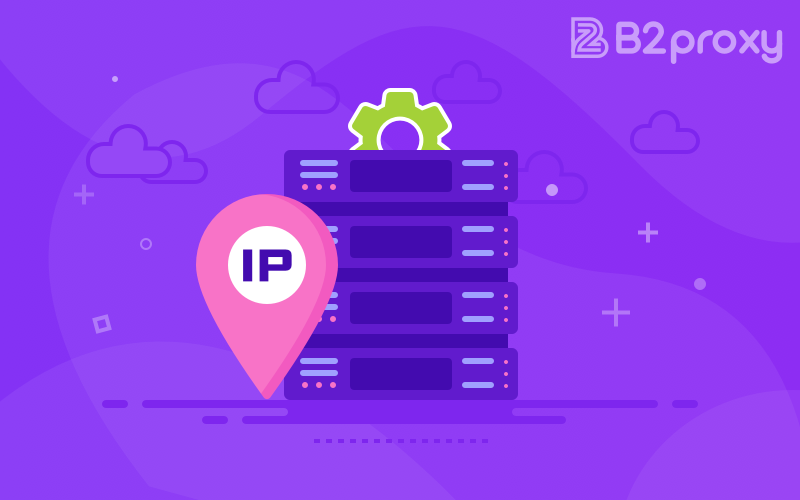
<p>In today’s digital operation environment, <a href="https://www.b2proxy.com/" rel="noopener noreferrer" target="_blank">Proxies</a> have become a core tool for businesses to perform data scraping, ad monitoring, and multi-account management. Especially for cross-border e-commerce, SEO optimization, and market research, a single proxy solution often fails to meet efficiency and stability requirements. Combining residential proxies with a <strong>Proxy list</strong> not only enhances access speed but also reduces the risk of bans, providing reliable data support for enterprises. Below is an analysis of practical strategies from multiple perspectives.</p><p><br></p><p><strong>1. Advantages of Residential Proxies</strong></p><p>Residential proxies come from real home networks, offering high anonymity and stability. Compared with data center proxies, their IPs are harder for websites to detect or block, making them suitable for long-term multi-account operations and cross-region access, ensuring business processes remain uninterrupted.</p><p><br></p><p><strong>2. The Role of Proxy Lists</strong></p><p>A Proxy list is a collection of proxy IPs, usually covering multiple countries and regions. Through proper management and rotation, businesses can achieve load balancing and avoid bans caused by overusing a single IP. Additionally, Proxy lists can be categorized according to need, assigning the best nodes to different websites or applications to improve access efficiency.</p><p><br></p><p><strong>3. Combination Strategy: Flexible Switching and Intelligent Scheduling</strong></p><p>By combining residential proxies with a Proxy list, businesses can use intelligent scheduling systems to automatically switch IP nodes. This approach not only ensures long-term access stability but also dynamically allocates traffic based on regional requirements, significantly improving data scraping and operational efficiency.</p><p><br></p><p><strong>4. Applicable Scenarios</strong></p><p>● <strong>Cross-border e-commerce:</strong> Quickly access e-commerce platforms in various countries to monitor prices, inventory, and product rankings.</p><p>● <strong>SEO and advertising monitoring:</strong> Simulate users from different regions to collect accurate ranking and conversion data.</p><p>● <strong>Market research and data analysis:</strong> Ensure IP stability and anonymity during large-scale data scraping processes.</p><p><br></p><p><strong>5. Enterprise Selection Recommendations</strong></p><p>Choosing a reliable residential proxy provider is crucial. For example, <a href="https://www.b2proxy.com/" rel="noopener noreferrer" target="_blank">B2Proxy</a> offers high-quality residential nodes, flexible Proxy list management, and multi-protocol support, meeting the access needs of businesses across different scenarios while ensuring safe and stable operations.</p><p><br></p><p><strong>Conclusion</strong></p><p>In summary, combining residential proxies with a Proxy list allows businesses to not only improve access efficiency but also effectively reduce the risk of bans. Leveraging the professional services of <strong>B2Proxy</strong>, enterprises can achieve efficient, stable, and secure network operations, providing strong support for business growth and data-driven decision-making.</p>
You might also enjoy
Proxy Pool Throughput: Concurrency vs Parallelism, Adaptive Control
Optimize proxy pool throughput with concurrency over parallelism. Dynamic concurrency control and unlimited residential sessions boost scraping.
October 13.2026
Unlimited Residential Proxy vs Pay-Per-Traffic: More Cost-Effective? 2026 Proxy Billing Selection Guide
Unlimited proxy vs pay-per-traffic: choose based on task continuity, traffic predictability, and concurrency; hybrid use balances cost and efficiency.
October 13.2026
What Are SEO Proxy Services? How Are They Used for Multi-Region Rank Monitoring?
SEO proxy services route searches via target regions for localized rank monitoring using geo-targeting and session control.
October 12.2026