The Impact of Privacy Regulation Changes on the Global Proxy Market
 November 5.2025
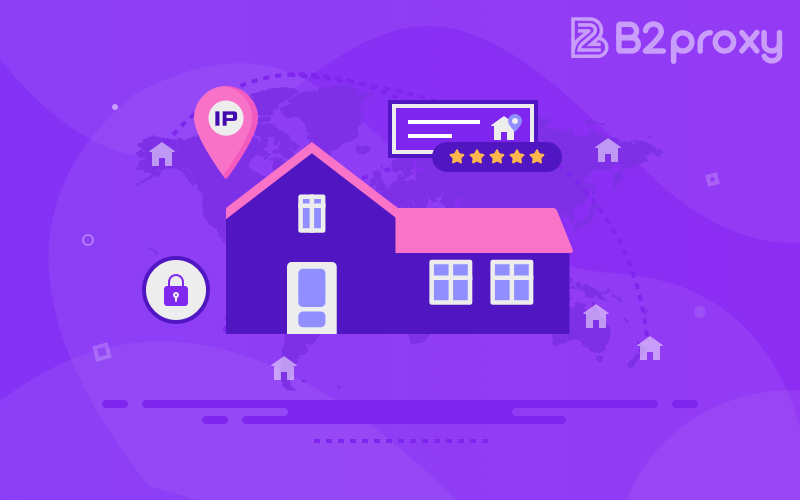
<p>The growing demand for data security and online anonymity has made the <a href="https://www.b2proxy.com/" rel="noopener noreferrer" target="_blank">Proxy list </a>an increasingly vital part of the global internet ecosystem. As privacy protection laws continue to evolve across regions, the structure and operation of the proxy industry are undergoing profound changes. Whether in data collection, cross-border business, or digital advertising, new legal frameworks are redefining the boundaries and compliance standards of proxy services.</p><p> </p><p>1. <strong>Privacy Regulations Driving Market Stratification</strong></p><p>Stricter data protection laws are pushing the proxy industry to shift from being an “anonymity tool” to a “compliance intermediary.” Regulations such as the EU’s GDPR and California’s CCPA require proxy providers to ensure transparency in data transmission and user authorization. This has fueled the growth of high-anonymity residential proxies and enterprise-grade solutions, while eliminating low-quality, uncertified proxy services from the market.</p><p> </p><p>2. <strong>Regional Differences and Service Diversification</strong></p><p>Varying privacy policies across countries have forced proxy providers to build localized compliance frameworks. European markets emphasize data encryption and consent mechanisms, while Southeast Asian and Latin American regions focus more on connection stability and price competitiveness. To adapt, providers are offering region-specific proxy nodes and tiered plans, enabling clients to choose IP resources suited to their target markets while maintaining legal compliance.</p><p> </p><p>3. <strong>Technology Innovation Meets Compliance</strong></p><p>Privacy regulations not only impose restrictions but also drive technological advancement. Proxy providers are adopting AI monitoring systems, node verification algorithms, and automated blocking alerts to ensure compliance during use. Some companies have introduced “traceable proxy mechanisms” that maintain anonymity while providing proof of compliance when necessary. These innovations enhance both operational security and market competitiveness.</p><p> </p><p>4. <strong>Market Reshuffling and Emerging Opportunities</strong></p><p>Stricter privacy oversight is eliminating non-compliant services but creating growth opportunities for legitimate providers. Reputable proxy companies that strengthen node management, enforce transparent privacy policies, and obtain security certifications are gaining the trust of larger clients. In the coming years, market consolidation is expected, with a few technologically advanced and compliant brands dominating the global proxy ecosystem.</p><p> </p><p><strong>Conclusion</strong></p><p>Changes in privacy regulations are reshaping the competitive landscape of the proxy industry and accelerating its transformation from a “utility market” to a “secure ecosystem.” For users seeking reliable connections, choosing a transparent and compliant provider is essential. Pursuing the lowest cost often leads to bans and risks, while evaluating compliance, anonymity level, and technical safeguards before deciding to <a href="https://www.b2proxy.com/" rel="noopener noreferrer" target="_blank">buy proxy</a> ensures long-term safety and efficiency.</p><p> </p>
You might also enjoy
Proxy Pool Throughput: Concurrency vs Parallelism, Adaptive Control
Optimize proxy pool throughput with concurrency over parallelism. Dynamic concurrency control and unlimited residential sessions boost scraping.
October 13.2026
Unlimited Residential Proxy vs Pay-Per-Traffic: More Cost-Effective? 2026 Proxy Billing Selection Guide
Unlimited proxy vs pay-per-traffic: choose based on task continuity, traffic predictability, and concurrency; hybrid use balances cost and efficiency.
October 13.2026
What Are SEO Proxy Services? How Are They Used for Multi-Region Rank Monitoring?
SEO proxy services route searches via target regions for localized rank monitoring using geo-targeting and session control.
October 12.2026