Cross-Border E-Commerce Driving the Latest Changes in Proxy Service Demand
 October 13.2025
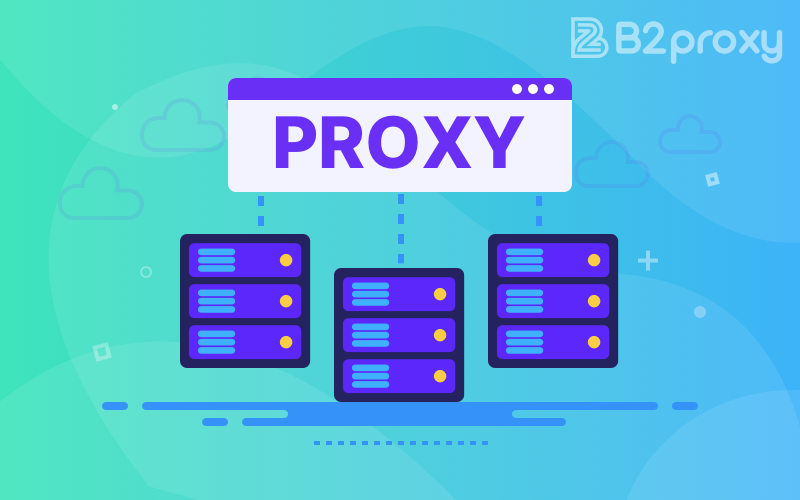
<p>With the rapid growth of cross-border e-commerce, businesses increasingly rely on data scraping, price monitoring, and multi-account management. <a href="https://www.b2proxy.com/product/residential-proxies" rel="noopener noreferrer" target="_blank">Web browser anonymous proxy</a> has become a crucial tool for many sellers and operations teams. By using anonymous proxies, companies can collect data, conduct market research, and perform SEO analysis across different countries and regions while keeping accounts secure and operations private.</p><p><br></p><p><strong>1. Challenges Brought by Cross-Border E-Commerce</strong></p><p>Operating across multiple countries and platforms requires sellers to manage multiple stores and monitor competitors simultaneously. Platforms often restrict access or block suspicious activity based on IP addresses. Without proxies, accounts may get banned, data scraping may be interrupted, and information may be distorted. Anonymous proxies solve these issues by simulating real user behavior, ensuring smooth cross-border operations.</p><p><br></p><p><strong>2. Applicability of Proxy Technology</strong></p><p>In data collection and market monitoring, a <strong>web proxy</strong> provides high anonymity and stable connections, enabling companies to access websites in different regions without detection. Especially for high-frequency tasks or restricted platforms, proxy stability directly impacts task efficiency. Properly configured proxy pools allow automatic IP rotation, reducing block risks and supporting long-term operations.</p><p><br></p><p><strong>3. Data Security and Privacy Protection</strong></p><p>Cross-border e-commerce involves sensitive pricing, inventory, and user behavior data, making security critical. High-quality proxy services not only provide anonymity but also support encrypted transmission, preventing data tracking or leaks. For multi-account management, anonymous proxies help isolate operations between accounts, ensuring each store remains independent and secure.</p><p><br></p><p><strong>4. Enhancing SEO and Market Analysis Efficiency</strong></p><p>Proxies also play a key role in SEO optimization. Companies can use IPs from different regions to access search engines and competitor websites, analyze keyword rankings, content updates, and market trends. Stable proxy connections reduce scraping delays and accelerate data collection, enabling operations teams to make more accurate market strategies.</p><p><br></p><p><strong>5. Cost and Flexibility Considerations</strong></p><p>When selecting proxy services, cross-border e-commerce businesses must balance cost and performance. High-quality proxies may be more expensive but significantly reduce account bans and data scraping failures. Small and medium-sized sellers can leverage trial options to assess performance and choose the service that best fits their business scale.</p><p><br></p><p><strong>Conclusion</strong></p><p>The growth of cross-border e-commerce is driving continuous evolution in proxy services. By leveraging tools like <a href="https://www.b2proxy.com/product/residential-proxies" rel="noopener noreferrer" target="_blank">web proxy</a>, companies can safely operate multiple stores, scrape data, and analyze markets efficiently. Proper use of proxy services ensures security and stability, making them an indispensable advantage in the competitive cross-border e-commerce landscape.</p>
You might also enjoy
Proxy Pool Throughput: Concurrency vs Parallelism, Adaptive Control
Optimize proxy pool throughput with concurrency over parallelism. Dynamic concurrency control and unlimited residential sessions boost scraping.
October 13.2026
Unlimited Residential Proxy vs Pay-Per-Traffic: More Cost-Effective? 2026 Proxy Billing Selection Guide
Unlimited proxy vs pay-per-traffic: choose based on task continuity, traffic predictability, and concurrency; hybrid use balances cost and efficiency.
October 13.2026
What Are SEO Proxy Services? How Are They Used for Multi-Region Rank Monitoring?
SEO proxy services route searches via target regions for localized rank monitoring using geo-targeting and session control.
October 12.2026